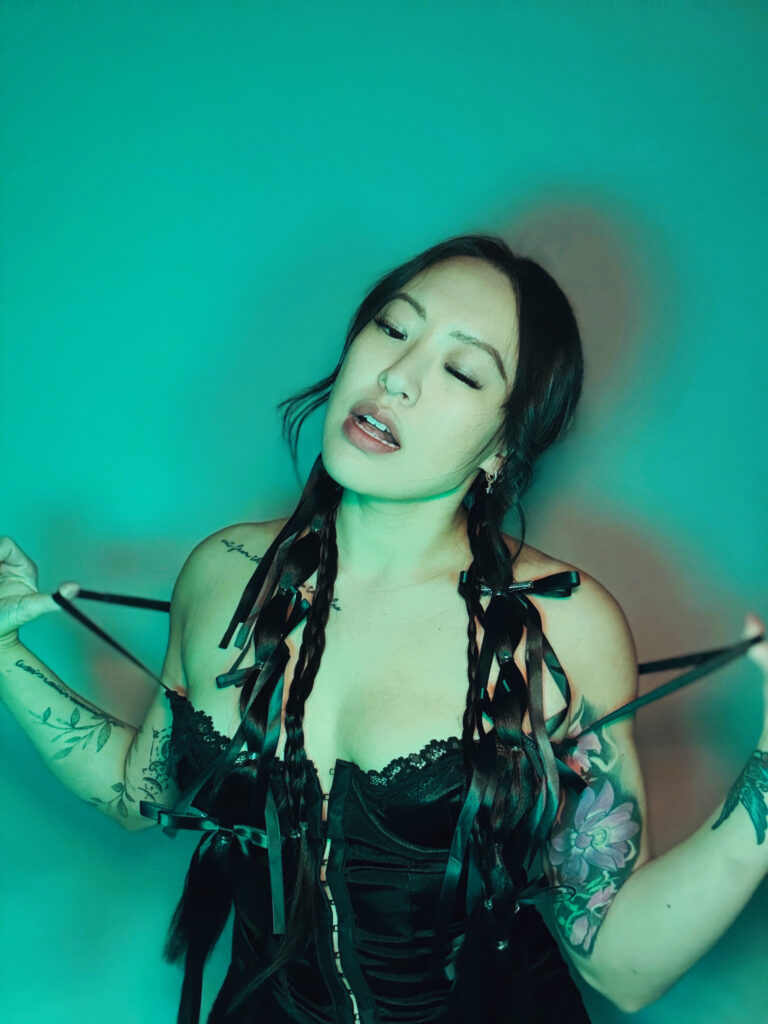
Written by: Chelsea Kwon
My early existence was a disorienting blend of instability, impulsivity, fear, and never feeling enough. I grew up feeling fundamentally different, too sensitive, feeling like I never belonged, like I was separate and an alien from my family and everyone around me. I felt to my core that there was something wrong with me and I was different, but in a bad way. Every emotion I felt consumed me. Happiness was euphoria, Anger was seeing red and losing control, Sadness was despair, Emptiness was a black hole incapable of being closed, Love was ecstasy and addictive, Fear was terror and panic, Shame was self-loathing, being alone and separated felt like I was abandoned and cast aside, betrayal was a bridge burnt. Any sensation I felt triggered a tectonic shift within me, often uncontrollable and unpredictable. My heart became a volatile landscape, shifting violently with every stimulus. I’d find myself sobbing uncontrollably and having intense crying fits over nothing. As time went by, I would find myself reverting to a teenager every time I got triggered. It was so embarrassing as I was doing this inappropriately every time, which made me feel I was immature and acting 10 years younger than my current age.
It wasn’t until I was in the Navy at 29 and constantly getting invalidated and triggered, unable to regulate my emotions, struggling with explosive outbursts at work, and having uncontrollable three to four hour-long crying breakdowns or bpd episodes where time felt so long, and having difficulty in my relationship at the time that I sought therapy for the first time. One unsuccessful suicide attempt later, I saw a new psychiatrist who asked me about my childhood and life growing up, and I word-vomited (ahem… trauma dumped) my life story to her from the beginning. Following her relaxed and composed clinical interview, she determined that I met the diagnostic criteria for Borderline Personality Disorder (BPD). Now this was something I had never heard of or was aware of… personality disorders in general, aside from my awareness of ADHD, OCD, Schizophrenia, Bipolar, anxiety, and depression. Before this moment, therapy wasn’t working on me, and I knew I had something deeper than just anxiety, ADHD, and depression. When she diagnosed me with BPD, it was as though she illuminated my entire world, and suddenly, everything in my life made sense. I immediately went home and googled Borderline Personality Disorder and all the so-called symptoms. The DSM-5 paints Borderline Personality Disorder (BPD) as a life lived in emotional turbulence where relationships, self-identity, and feelings are in constant flux, and impulsive choices erupt like sudden storms (Kristalyn Salters-Pedneault, 2025). The DSM-5 outlines nine specific criteria for diagnosing Borderline Personality Disorder (BPD), and you need to meet at least five to receive the diagnosis (Kristalyn Salters-Pedneault, 2025). In my case, I ticked off all nine—I wasn’t just a partial match; I fit the entire profile.
A person with Borderline Personality Disorder experiences the following:
- Frantic and desperate attempts to avoid real or perceived abandonment sprinkled with sensitivity to rejection
- A pattern of unstable, intense connections or relationships that continually fluctuate from extreme idealization and devaluation, also known as “splitting.”
- Identity disturbances and a deeply unstable or ever-changing self-image
- Acting impulsively in at least two areas that carry the risk of self-harming: spending, risky sexual behavior, substance abuse, reckless driving, or binge eating.
- Having habitual episodes of inappropriate and explosive rage (usually a reaction from getting triggered) that are hard to control, manifesting as temper tantrums, outbursts, ongoing resentment, or getting into fights.
- Rapid, intense emotional swings, including episodes of sadness, anxiousness, or irritability, that come on quickly and fade within hours.
- Chronic feeling of emptiness and a continual sense of something missing.
- Ongoing patterns of suicidal thoughts, attempts, or self-harm
- Brief periods of feeling detached from reality (dissociating) or suspicious/paranoid of others under stress.
I wish I could say that this is all we borderlines feel, but that is far from the truth. In addition to this list, borderlines tend to view others and the world with all-or-nothing or black-and-white thinking, which contributes to our splitting from people and places. Our perspective swings between extremes—someone is either the most amazing person or the absolute fucking worst. We oscillate between idolizing (idealizing) someone and, once they do something so painful to us that we never thought they were capable of, it’s like the light completely shuts off, and I can’t see them as anything but pure evil (devaluation). This is what happens during a split or splitting episode, and I am extremely guilty of it. It’s like having no emotional skin; every perceived slight feels like a deep wound, creating a turbulent, love-hate dynamic in relationships that swing wildly from adoration to intense dislike. The only way I’ve found to manage this and pull myself back from splitting is by reminding myself that not everyone is out to hurt me. It’s okay—and completely normal—to feel triggered, and I’ve learned over time that I don’t have to let every slight or offense break me down and get to me. The people I’ve split from for good are those who’ve repeatedly shown a lack of empathy and remorse, like certain family members, narcissistic partners who used me for their own validation or as an emotional punching bag. Their pattern of intentional harm and love-bombing made it clear I needed distance. As for my loved ones, I know I’ve split from them at times too, but they genuinely care about me and want what’s best—even if they occasionally say the wrong thing without meaning to. It also helps to look inward—I’ve definitely said some hurtful things in the heat of the moment, but that doesn’t make me or my loved ones completely evil.
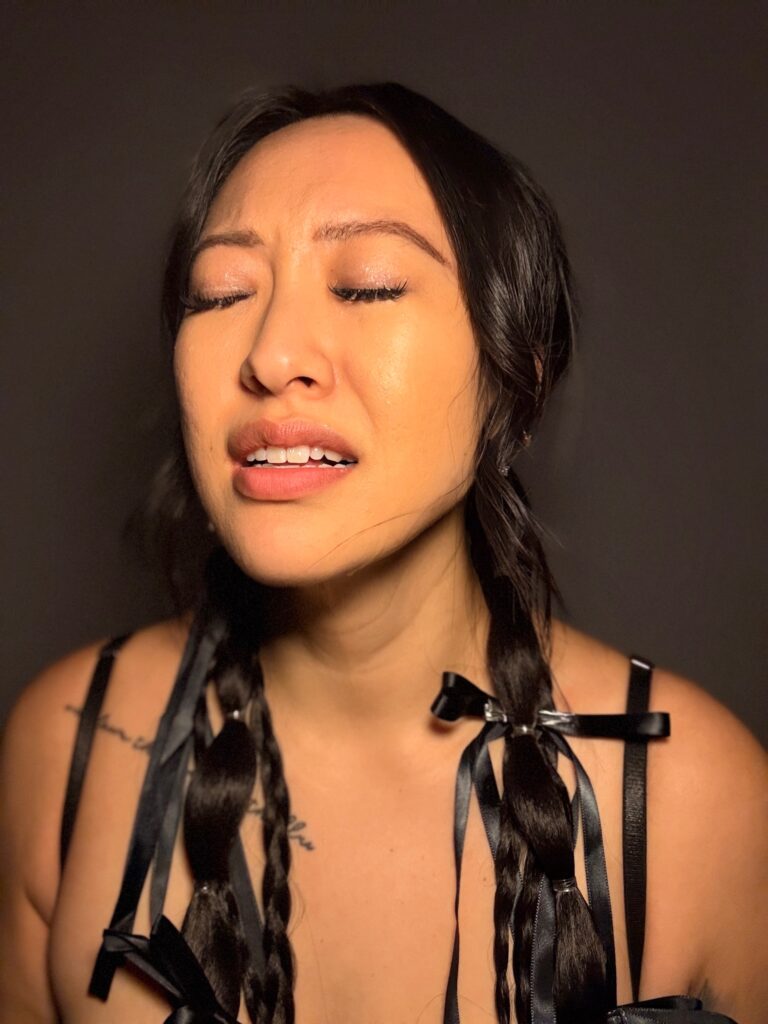
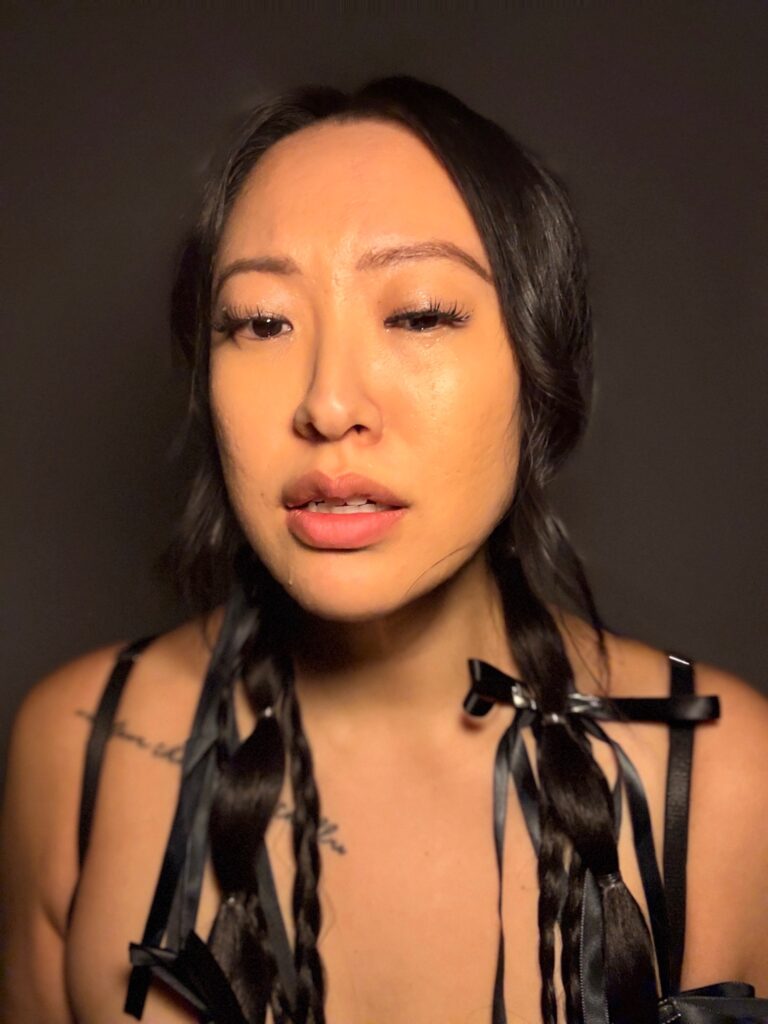
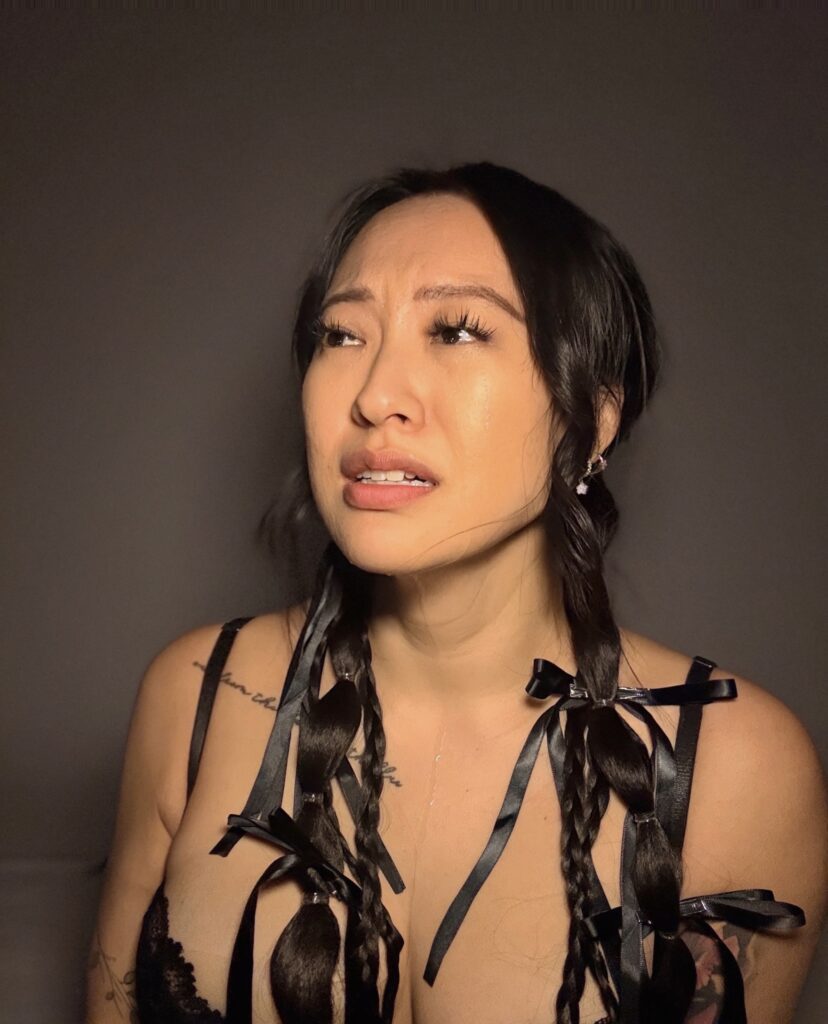
“You’re My Favorite Person”
Another common experience for people with borderline personality disorder is the concept of a “Favorite Person.” This goes wayyy beyond a typical best friend or close relationship. We can develop an intense, overwhelming, and all-consuming attachment to someone, making them the center of our emotional world—a primary source of validation, identity, and security. This dynamic often leads to extreme idealization and dependence, along with a deep-seated fear of abandonment. As a result, our relationship with our Favorite Person can swing dramatically between adoration and disappointment, creating a cycle that’s both exhausting and destabilizing for both parties involved. It’s not just about affection or closeness; it’s an insecure attachment marked by a constant need for reassurance and attention, and a feeling that we simply can’t cope without them. We depend on our “Favorite Person” to fill our inner void—making them the focal point of our happiness. For those of us with BPD, our sense of self is often fragile or nonexistent; we may not truly know who we are or what we like, so we tend to mirror those around us, adopting their preferences and traits because we feel we lack our own identity. Our shaky self-image, coupled with difficulty managing intense emotions and an intense fear of being alone or abandoned, makes the Favorite Person our indispensable, often unpredictable, and unhealthy anchor for our identity and emotional stability. I can’t tell you how often I’ve been captivated by someone from a show, film, or the music world, and then tried to reinvent myself by changing my appearance—hair, clothes, everything—to emulate them. In seventh grade, Avril Lavigne was the first person who completely enamored me. I remember adopting her style—baggy tees, loose pants, studded belts, spiked bracelets—and making Hot Topic my second home (my parents did not like that at all). Her fearless, unapologetic, rebellious spirit captured my heart, and I found solace in her music because I was struggling to be understood and accepted. This behavior stemmed from my mom always comparing me to other women, pushing me to be like anyone but myself. I was never given the space to figure out who I was or experiment with different phases, and whenever I tried, I was met with disapproval and rejection. I spent years morphing and mirroring myself and adopting elements from artists, lovers, and friends until, over time, a longgg time, I was able to discover who I was and define my own personality, a continual cycle of learning, fucking up, and evolving.
How Abandonment Shaped My Relationships
From a bio-psychological perspective, my abandonment issues originated from being separated from my parents at an early age and raised by my grandparents and my late aunt, as my parents were occupied with work and didn’t have time to take care of me. I think I remember them sometimes visiting me on weekends, which was confusing to me. Two years later, after my brother was born, I moved back in with my parents, but I never truly felt at home or like I belonged. Instead, I found myself feeling like I was adopted, an outsider, a puzzle piece that didn’t fit, and a black sheep. Raised in a chaotic and controlling home, I was repeatedly told I was too much, too sensitive, and that my feelings didn’t matter. Any time I cried or showed emotion, my parents actively invalidated my feelings and belittled me. I was oftentimes scolded and punished simply for expressing emotions. As a child, it was both confusing and painful to be punished just for feeling. It didn’t take long for me to internalize the belief that there was something inherently wrong with me—that having emotions meant I was somehow at fault. I grew up believing that my emotions didn’t matter—that they were wrong, unacceptable, and proof that I was unlovable. The more my feelings were shamed and suppressed, the more overwhelming, chaotic, and uncontrollable they became. I grew up without learning how to recognize my emotions, express them in a healthy way, navigate their intensity, or use them to help me make the right decisions. I learned to walk on eggshells, constantly adjusting to and predicting my mom’s terrifying moods in an effort to win her love and acknowledgment. As I grew older, the walls I built to protect myself became barriers, leaving me a stranger to my own emotions. My disconnection cast a long shadow—making it hard to understand who I am, to voice my truth, to connect with others, and leaving me haunted by emptiness, shame, and guilt. My mother’s constant intrusion left me with no room to breathe, which eventually led to me to develop an anxious-avoidant attachment style in my relationships. In adulthood, this took the form of severe panic attacks whenever I started living alone—episodes so intense they left me feeling I was on the brink of death and throwing up from feeling so anxious. As time went by, I became highly attuned to others—picking up on subtle shifts in their body language and emotions, anticipating their moods, keeping my true self hidden, and doing whatever it took to just be seen. But was I ever really seen as myself? Or was it whoever people wanted me to be? As a result, I became a chronic people pleaser who needed constant reassurance that I wasn’t a burden, that shaped every friendship and relationship to come. This pattern set the stage for me to be drawn to unhealthy friendships and, later, to relationships with avoidant and narcissistic partners.

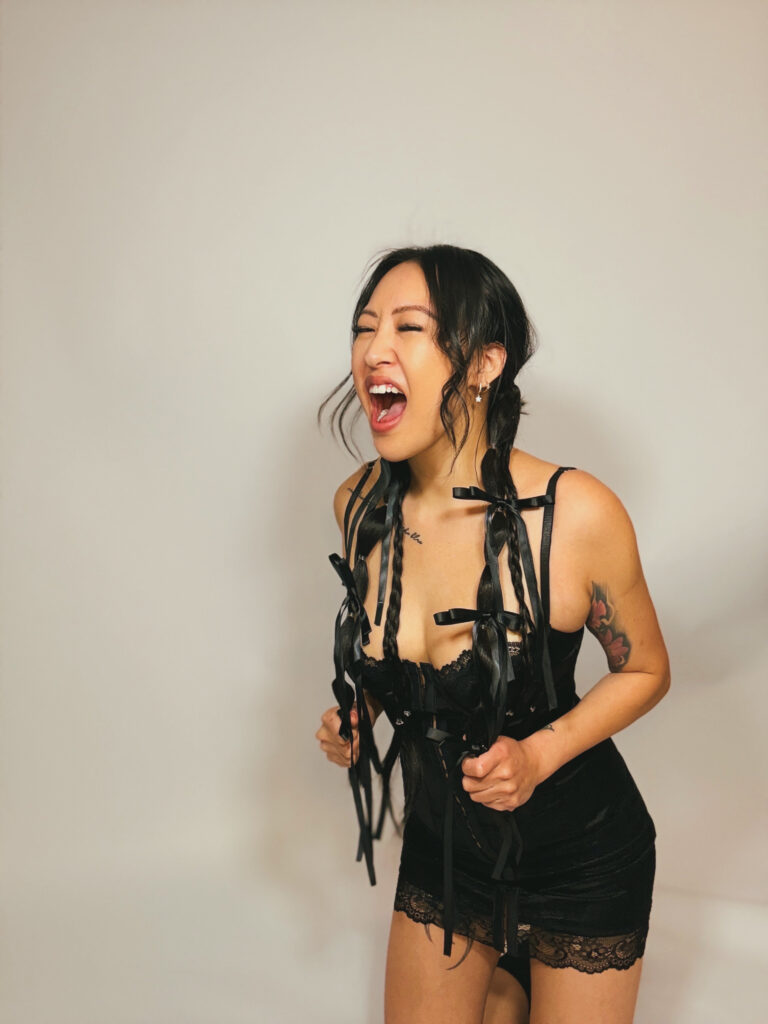
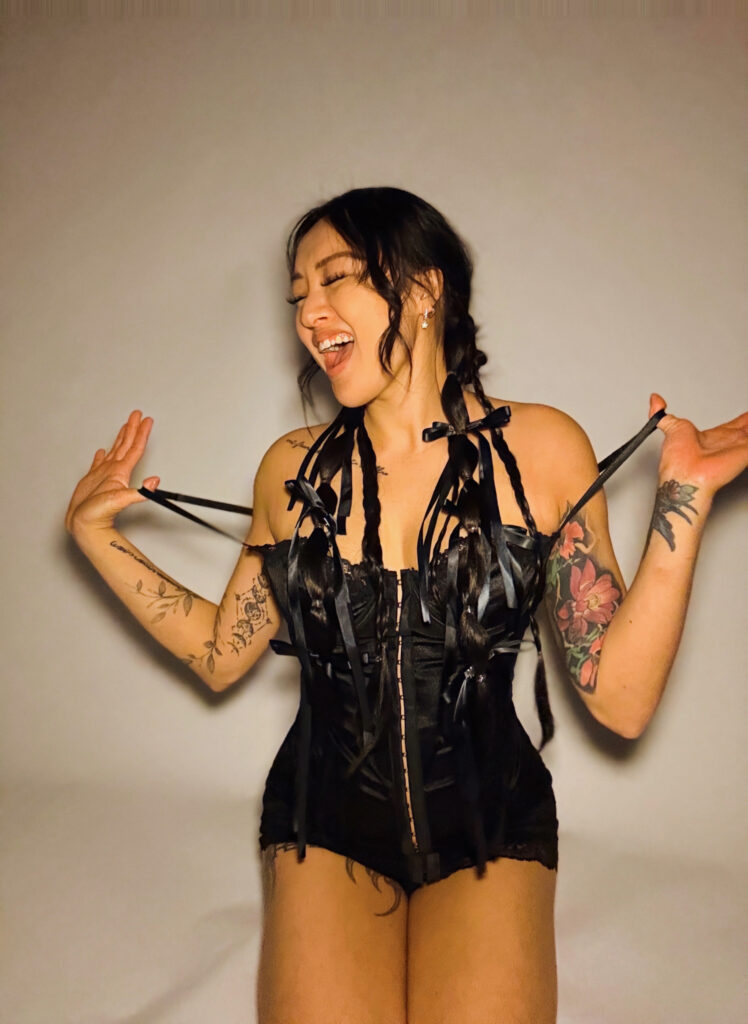
Living Life in the Fast Lane
At the center of BPD is a storm of impulsivity and emotional turbulence. Life becomes a series of knee-jerk reactions—acting on sudden urges sparked by the world around you, rarely pausing to consider what happens next. This impulsiveness often leads down self-destructive paths that offer fleeting relief: explosive anger, reckless spending, substance binges, overindulgent eating, or risky sexual encounters (Heshmat 2015). For many borderlines, these impulses roar so loudly that plans and promises are swept away, leaving jobs unstable, relationships strained, and life littered with the fallout of decisions made in the heat of the moment (Heshmat 2015). I’ve lost count of how many friendships I’ve damaged simply because I didn’t know how to step away from ones that weren’t healthy and didn’t align with me anymore. In the past, I struggled to manage my emotions—especially if I was splitting from the person already and what the other person would say would trigger me even more, turning the situtation into a back-and-forth argument, leaving us both drained and feeling worse than before. Reflecting back, I realize that I brought toxicity too into past friendships, especially before I gained awareness of BPD and my own toxic traits and started working on healing myself—still a work in progress and a ways to go. Even with weekly therapy at the time, I still found it difficult to avoid cutting ties with people who weren’t right for me. I always found myself wanting some kind of “closure,” hoping we could part ways amicably and to communicate why I was leaving, but in the end, it often just made things messier. Over time, I realized it’s sometimes better to quietly distance myself from a friendship rather than risk me Hulking out on the person or having a big confrontation.
I’ve worked countless jobs, often leaving with bridges burned behind me. I was never afraid to speak up—calling people out, standing up for myself, my friends, and the good coworkers when no one else would. While that boldness may have felt righteous in the moment, it usually left me in a lot of distress, dealing with the heavy psychological aftermath, realizing later that keeping my distance might have spared me a lot of inner turmoil. I’ve noticed most people choose to steer clear and avoid getting involved, and I can see the wisdom in that now. But I’ve always struggled to comprehend how rude and evil some people can be—especially when they band together, thriving on cruelty and group bullying (they are cowards solo but as a group, hard to face/battle alone). It infuriated me, and I’d react impulsively, fighting fire with fire. I can sense people’s malice almost instantly, and it’s nearly impossible for me not to step in. I’ll never forget the look in my mom’s eyes when she took pleasure in putting me down and causing me pain—and I still see that exact, chilling expression in others who are truly cruel. I think my urge to intervene comes from years of swallowing mistreatment and trauma as a kid, never standing up for myself. Now, when I encounter similar situations, all those bottled-up feelings come rushing back, and it’s incredibly hard to hold myself back from reacting. Now, as I grow older, I’m learning that I don’t have to like or engage with people like that. Involving myself only drags me down to their level. Protecting my own energy is sometimes the bravest thing I can do.
I have an unhealthy tendency to chase my impulses immediately without hesitation, frequently diving into risky behaviors without pausing to think about the aftermath of my decisions. The draw of instant gratification is strong for me—it offers a quick fix, helping me escape feelings of emptiness or a lack of satisfaction. My impulsivity is only intensified by also being diagnosed with ADHD, making it even harder to pause and reflect before I act. I remember getting my first tattoo at 21, and I was hooked. Most of my tattoos were unplanned, unthought, and impulsive. I found myself constantly pursuing the next adrenaline rush of rebellion—breaking rules, speeding like I was an F1 driver, indulging in shopping sprees, and dancing dangerously close to the edge without ever falling over. Looking back, I can see that this was a natural response to growing up under my mother’s strict control and being raised in a Korean church, where I had to suppress my true self and constantly strive to be the “good girl” who never sinned. It became my way of dissociating, escaping reality, and disconnecting from myself, a response to feeling suffocated by my mother’s control. At 24, when I eventually escaped the grip of the controlling, cult-like church that stifled my freedom, I was swept into the world of sex and drugs—and once I got a taste, I found it almost impossible to walk away. My impulse-driven and addictive personality made the rush of drugs and sex intensely satisfying, and before long, I was hooked and stuck in a vicious, damaging cycle.
When the weight of overwhelming emotions becomes too much to bear, we borderlines instinctively retreat to our factory setting survival tactics and maladaptive coping mechanisms to numb ourselves through denial, escapism, or reaching for anything that offers even a moment’s relief. We use our drug of choice—sex, substances, self-harm, overspending, lashing out, binging—as a desperate attempt to silence the overwhelming chaos we feel inside. We just want to stop feeling everything so much and all at once, to escape the pain and exhaustion of unpredictable moods, to fill the black hole of emptiness, and the gut-wrenching heartache of abandonment and feeling unwanted.
Into the Whirlpool of Negative Thoughts
Picture Alice, unable to escape Wonderland, trapped in an endless loop where each day blurs into the next—a surreal, never-ending dreamscape, like her own personal Groundhog Day. This perfectly illustrates what it’s like to be trapped in my own cycle of ruminating thoughts. In Borderline Personality Disorder, rumination acts like a relentless echo chamber—spinning unhelpful thoughts that amplify our emotional storms. This cycle of negative self-talk feeds the fire of BPD’s most challenging symptoms, intensifying mood swings, impulsive actions, and urges for self-harm, trapping us in a whirlpool of escalating distress.
Here’s what goes on in my BPD brain: Too often, I’m swallowed by shame especially after I react or lash out—mostly at work, where old wounds get triggered and my words come out sharp and unfiltered. The looks I get, the whispers that follow, the gossiping—all of it clings to me. I become the workplace outcast, the one everyone quietly avoids. For weeks afterward, I replay the moment on a loop in my head, dissecting every word, every glance, wishing desperately for a rewind button. Meanwhile, I spiral into a pit of self-loathing, berating myself for the hurtful things I’ve said, for losing control, for being “that person.” No matter how much I want to take it back, the damage is done, and I end up being branded with the harshest label of all: “fucking crazy.” At other times, the cycle starts when I do something embarrassing—like blurting out something awkward or fumbling through a conversation. No matter how small the moment, it sticks with me. My mind replays it on a loop, and before I know it, I’m tumbling down that familiar shame spiral, unable to let it go.
I have come to realize over time that my tendency to ruminate is rooted in perfectionism, shaped by the belief that I was only valued or loved by my mom when I succeeded or reached certain goals—this became how I spoke to and viewed myself. Whenever I inevitably fall short of my own impossible standards, a wave of worthlessness washes over me, and my self-talk becomes brutally critical and unkind—words I’d never dream of saying to anyone I care about. When you’ve been through traumatic experiences, it’s easy to start seeing danger or perceive rejection where there isn’t any. Even normal situations can feel like personal attacks, which just makes our inner critic louder, further chipping away at our self-esteem. With time, things have shockingly improved. Lately, the longest I’ll find myself stuck ruminating, replaying a situation is about three days—a huge relief compared to before. What’s helped is consciously reviewing the moment and imagining how I could respond with more calm and mindfulness next time, rather than letting my emotions take over. I’ve also come to accept that I can’t rewrite the past, and obsessively reliving a brief interaction just robs me of the present.
Rays Through the Storm: Silver Linings of BPD
The borderline voyage might feel like wading through a storm, however, there are hidden treasures beneath the waves. It took me a LONGGG time to recognize them in myself. Our ability to feel so deeply carves out wells of empathy, and the resilience we build as we learn to navigate our tangled inner landscapes is nothing short of remarkable. With each twist and turn, we discover new ways to listen, understand, and grow from the complexity within ourselves. Many people with BPD have fought their own difficult battles—for me, it meant struggling with drug addiction, pushing through suicidal thoughts and attempts, dealing with eating disorders, self-harm, and surviving childhood abuse. So many of us have weathered serious trauma, and that kind of survival builds a deep backbone of resilience that gives us the strength to handle whatever life throws our way. Living with BPD has given me a heightened awareness of my own emotional landscape, while also making me highly receptive to the emotions of those around me. Research has shown that those with BPD may actually be better at reading facial expressions and picking up on emotional cues than people without the disorder (Stollznow 2024). This heightened sensitivity can translate into remarkable empathy—they genuinely feel what others are experiencing (Stollznow 2024). These qualities can make them especially perceptive, understanding, and capable of offering real compassion and support (Stollznow 2024). As a built-in protective mechanism, I often find myself reading people with such intensity that it feels like I can see right through them. While this hyper-awareness is both a blessing and a curse, it’s also what makes crowds, public spaces, and work (basically anywhere outside of a rave or festival where I feel safest… I know it doesn’t make sense to me either) feel so overwhelming; it’s hard to relax when everyone’s energy hits me all at once. Growing up, I would often escape reality by drifting into daydreams and dissociation—coping strategies I didn’t realize were also quietly feeding my creativity over time. Engaging in creative outlets such as music, photography, art, writing, or other forms of self-expression gives us an outlet to regulate and release our intense emotions, find a sense of meditative calm, and explore the depths of our inner world with greater clarity.
BPD has shaped me into someone who feels everything deeply and loves fiercely. BPD amplifies my experience of the world, making my feelings and affections deeply passionate and intense. When I fall for someone, I love hard—I’m all in, fiercely loyal, and honestly, maybe a bit too invested at times. I know I still battle with attachment issues and the fear of being left, but that’s just a sign of how much I care. When I’m balanced with my emotions regulated, my fun, adventurous, bold, playful side really shines through, and I bring a lot of spice, warmth, and energy into my relationships. The intense emotions, impulsiveness, and unpredictability I experience with BPD don’t just bring challenges—they also let me feel joy that’s almost euphoric, spark bursts of creativity out of nowhere, and connect deeply with what others are feeling.
People with borderline personality disorder often get a bad rep and are deeply misunderstood. My hope is to shed light on the truth and bring more awareness to what borderlines go through. We’re not just known as “overly dramatic” or “too emotional”—we are resilient survivors, deeply compassionate healers, passionate lovers, and fierce warriors fighting our own internal battles every day. I want to bring more awareness to BPD and show the strength and depth that lives behind the label.
Thank you for reading 🙂
References
Heshmat , S. (2015, July 31). Borderline Personality Disorder (BPD) And Addiction Explaining the connection. Psychology Today. https://www.psychologytoday.com/us/blog/science-choice/201507/borderline-personality-disorder-bpd-and-addiction
Kristalyn Salters-Pedneault, P. (2025, February 10). 9 symptoms may indicate borderline personality disorder diagnosis. Verywell Mind. https://www.verywellmind.com/borderline-personality-disorder-diagnosis-425174
Psychology Today. (2021, March 8). Borderline Personality Disorder. https://www.psychologytoday.com/us/basics/borderline-personality-disorder#signs-and-symptoms
Stollznow, K. (2024, April 11). Is There a Positive Side to Borderline Personality Disorder?. Psychology Today. https://www.psychologytoday.com/us/blog/speaking-in-tongues/202404/is-there-a-positive-side-to-borderline-personality-disorder#:~:text=For%20instance%2C%20several%20studies%20have,an%20unstable%20sense%20of%20self.